Surfing, skiing and snowboarding

Do you dream of surfing on Arctic waves and exploring the mountains on a hike, snowboard or splitboard? 
Lofoten offers world-class surfing and some of Norway's most spectacular snow-capped mountains. On the waves and the mountains, we combine the best of two worlds – raw nature experiences out at sea and adventurous powder days
Surfing – randonnée – snowboarding – splitboard – skateboard


This is the line for you who want to:

  • Immerse yourself in surfing and mountain tours in the winter mountains

  • Further develop your ski or snowboard skills

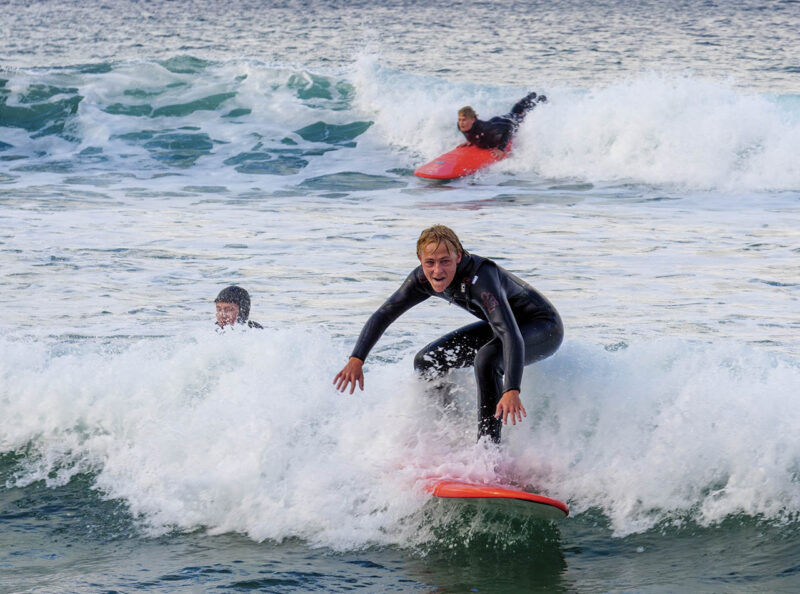
  • Be out on the waves a lot in Norway's surfing paradise Unstad

  • Learning to skateboard

!! You decide whether you want to ski, snowboard or splitboard through the winter, and if you wish, you can try both skiing and snowboarding in the winter mountains. 


Here's something you can look forward to:

Autumn
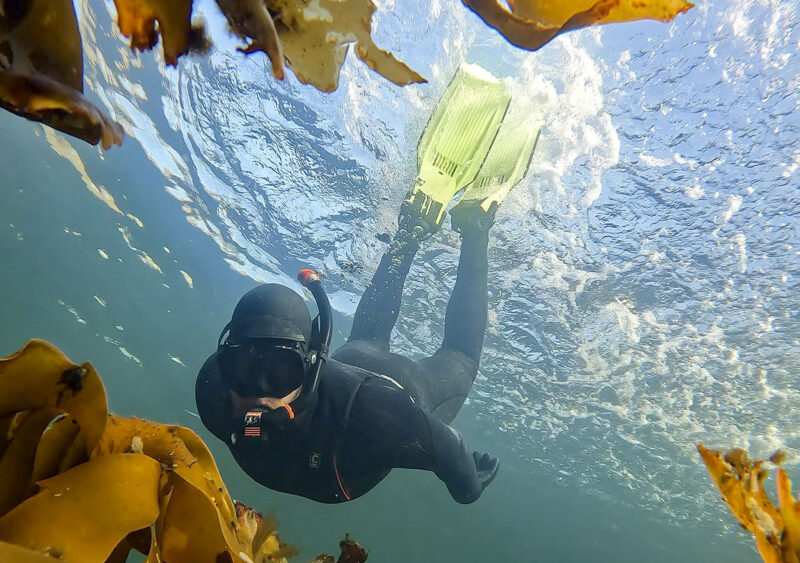
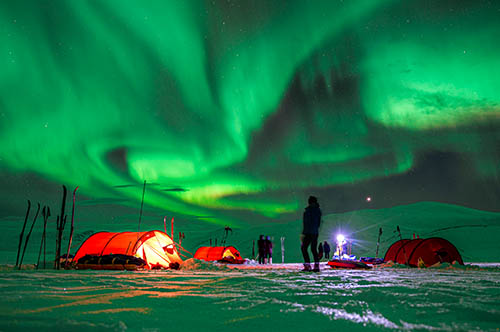
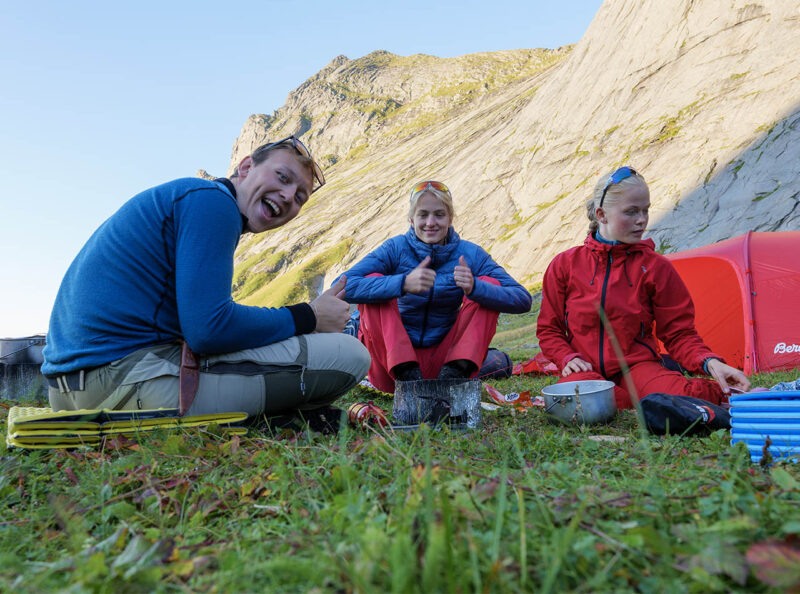
We start the autumn with a basecamp at Unstad, where we camp in tents, surf daily and enjoy the camaraderie around the campfire. Through surf lessons and daily sessions, you’ll learn to master the waves, from basic techniques to more advanced maneuvers. Skateboarding also becomes part of everyday life, with the opportunity to hone your skills. We also take trips into the surrounding mountains to experience the raw nature on foot.
 
On the agenda for the autumn: 

  • Beginner course in surfing.
  • Basecamp at Unstad.
  • Maintenance and repair of boards.
  • Day trips to surf spots.
  • Wave warning and surfing techniques.
  • Introduction and development in skateboarding.
  • Basic outdoor activities, including navigation and camping.


Winter and spring

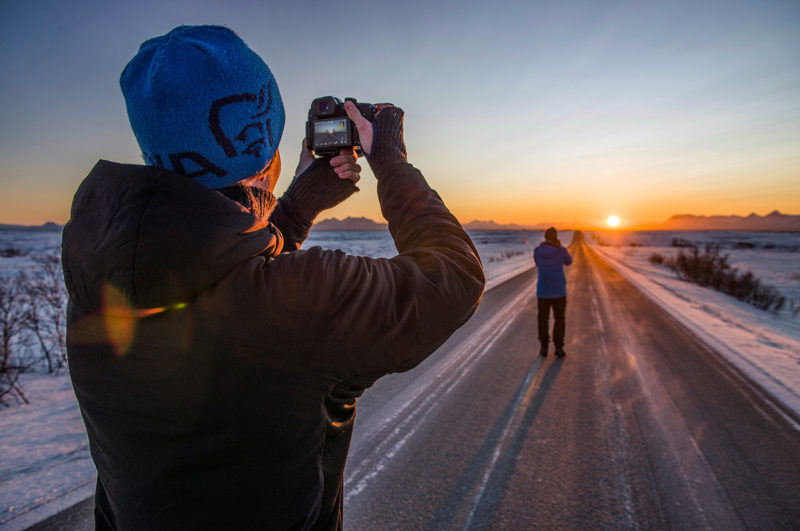
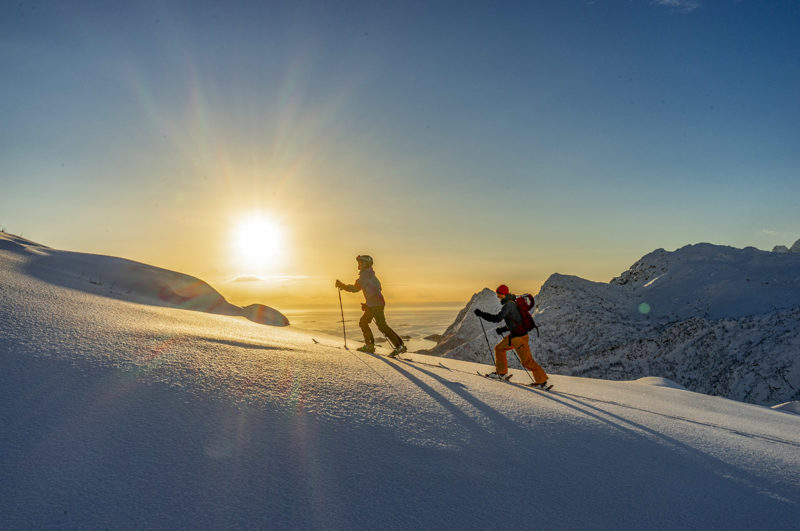
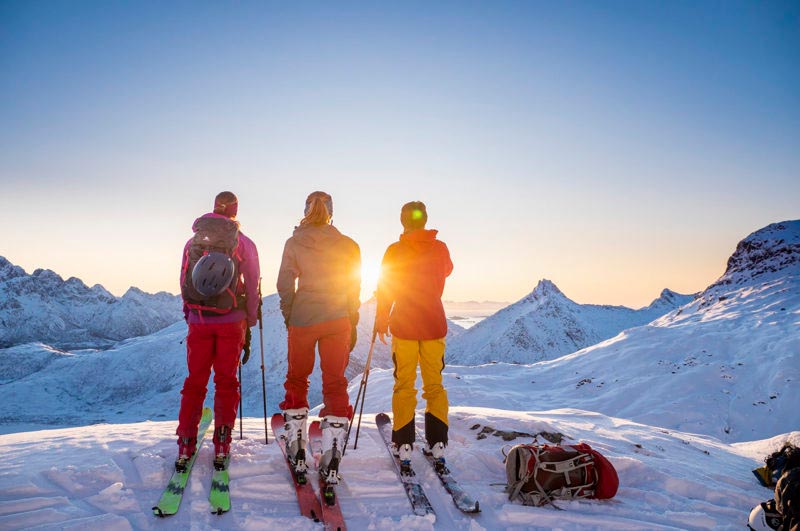
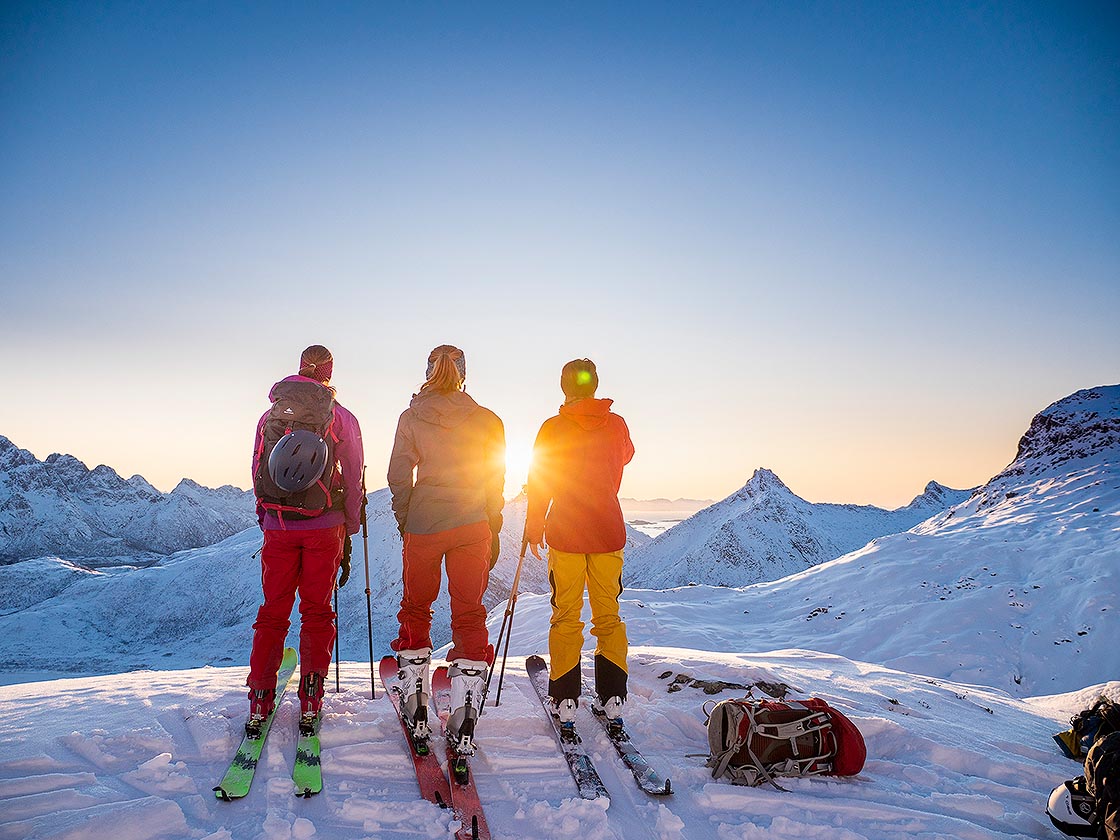
When the snow starts to fall, we turn our focus to the mountains-vInteractive activities It’s on the menu and we want to work on avalanche safety, snow knowledge, safe route choices and the art of finding the right snow. In the spring we’ll go on longer expeditions to some of Norway’s best mountain areas, including an unforgettable trip to Riksgränsen and a summit workshop in Senja. In parallel with the summit tours, we’ll also be surfing – of course!

On the agenda for spring:

  • Top-level hiking workshop in Senja
  • Top hiking day where we go from cabin to cabin
  • Basic course in avalanche assessment and rescue.
  • Day trips with boards in fantastic mountain areas.
  • Ski/board technique
  • Ski/Snowboard tricks
  • Riksgränsen Alpine Resort
  • Winter surfing
  • Skateboarding
 

Check out the students' own Instagram account @lofotensurfski

We are going to Senja in Troms

Short trips are the best!!!
STUDY TOUR

This is what you will learn:

You will gain increased skills in surfing and skiing/snowboarding in spectacular surroundings, in addition to other activities such as skating and outdoor activities. Our experienced instructors will take you on a journey through the waves and mountains, focusing on mastery, safety, and nature experiences.
 

Who does the line serve?

Surfing, skiing and snowboarding are for those who enjoy being active, like trying new things and enjoy overcoming obstacles. The line is well suited for both beginners and those who have surfed before. 

Our expectations of you:

That you look forward to an exciting year filled with lots of activity and new experiences, where you actively participate in shaping a supportive community. Through shared curiosity and interests in the activities, we build an environment that motivates learning, development, and inspiring each other along the way.
 
The nature of Lofoten and the culture of Lofoten can make you gasp with excitement. We spend the entire school year staying in magical surroundings. Short trips in the different areas of Lofoten give us everything Lofoten has to offer.

The teacher

Tinna Dianudóttir Hentze

Outdoor activities are truly a way of life for Tinna! You can find her in the mountains and in the sea regardless of the season. With a desire to inspire others to do the same, she has completed both a bachelor’s degree in outdoor activities and a degree in practical pedagogy. This has enabled her to turn her passion into her job as a teacher here at Lofoten Folkehøgskole. (email: Tinna@lofotenfolkehogskole.no)

Information

On this page you will find everything you need when you arrive at the school, both for living in the hostel and for the lessons, as well as good tips for other cool things you might want to bring along.


Click here to go to the package lists >>>

School equipment and facilities

We have common equipment that we only use on school trips: tents, stoves, cooking sets, fuel bottles, first aid equipment, slackline, kite equipment, surf skate boards, as well as other useful little things. If you are going on your own trips in your free time, you must have this equipment yourself.

During the first few weeks of surfing lessons, you will also be offered the opportunity to borrow beginner boards. These are large boards that are great for the first few times, but you will grow out of them quickly. Your slightly shorter private board will then become better. The school’s beginner boards are available for free loan throughout the year.  

The school has a gym with space for ball games and the like. There is also a small climbing wall/bouldering wall and a strength room with weights, a treadmill and spinning bikes. In addition, we have access to a climbing wall in the sports hall in Kabelvåg.

Our hobby room has the ability to handle simple woodworking tasks, and to repair bicycles, prepare skis, and maintain surfboards.

In the textile room you can sew your own equipment or repair what has broken.

  • Surfshop.no and Lofoten Surfsenter have complete equipment at a great price and provide great tips. Say you are a prospective student at Lofoten fhs. You get a discount when you are accepted onto the course. 

  • Do I need experience with surfing? No. Our courses include comprehensive basic training, and you live so close to the mountains and surf beaches that you have plenty of opportunities to develop a lot throughout the year.

  • Do I need experience with skis or splitboards? We go through everything you need to know to go on alpine or splitboard tours. If you are skiing, you don’t need any previous knowledge; however, if you are snowboarding, you should have previously skied in a ski resort. If you are applying for a year in advance, it might be a good idea to practice your skills in the winter before school starts. If you have no experience with a snowboard, we recommend choosing randonée equipment.
  • Do I need to have skateboard experience? No.
  • Will we have a lot of time in the water/mountains? Yes. We usually have 2-4 class days a week when we surf, ski, go hiking, or have indoor classes related to surfing/skiing. During periods in the fall, there are more common subjects/elective courses that make it less likely to be a lot of surfing/skiing.

  • Do I need to be fit? You need to be in generally good shape, be able to do a long hike and be physically active. We take walks at a leisurely pace and you surf until you’re tired, usually 1-3 hours.

  • Do I have to have purchased all the equipment before the start of school? We camp and surf at Unstad during the week after school starts. Surf equipment should be brought with you or sent to the school at/right after school starts. Some people order directly from the school or buy from previous students. We also encourage people to buy used equipment. See the Facebook group «Lofoten Folkehøgskole buy and sell» and Finn.no. You also need to have the necessary clothing and other personal items for autumn camping by the start of school. The snow arrives early in late October-January, so you can wait a little with your ski equipment. If you have any questions, feel free to wait with buying until you get to school.

  • Which surfboard should I have? Here there is no right or wrong answer, but the fundamental mistake many people make is buying too short a board. A board measuring 7.0-8.0 feet is fine for a beginner and will last a long time. The most common is a board measuring about 7.2-7.6 feet, depending on weight. Generally speaking, a shorter board is harder to ride waves with, heavier to paddle, easier to dive under the wave, easier to turn. Longer boards are the opposite: Easier to ride waves with, lighter to paddle, harder to dive under the wave, more stable. You also need a leash, fins, footpad, wax. A boardbag/sock helps you avoid injuries during transport. A poncho can be nice to change into. Plastic box with lid or waterproof bag for changing/wetsuit. Surfshop.no has complete equipment at a good price and provides great tips. Please let them know that you are a prospective student at Lofoten fhs. You will receive a discount code when you have been accepted onto the course.

  • Which splitboard? When choosing a splitboard, a good starting point is to find a board with similar specifications to the snowboard you already ride on the slopes. If you own a freeride board and like how it performs, you will probably also be satisfied with a splitboard of the same size. However, if you ride a freestyle board on the slopes, choosing a splitboard that is a few centimeters longer may be beneficial for improved performance in soft snow. A longer splitboard provides better fluidity in deep snow and supports both your body weight and the equipment you carry with you. Additionally, the length provides better glide and more efficiency when ascending. We recommend an all-mountain splitboard that is well suited to the varied snow conditions of Lofoten.

    To find the correct size and length of your splitboard, you can use a size guide for the board you are considering buying, or contact the seller for their recommendations. Of course, you can also contact your line instructor if you need help.

  • What if I choose to go skiing? Wide skis float well in powder and make driving in steep terrain fun, but are poor on hard ground. Narrow skis sit well on hard ground, but float less well and require steeper terrain. The width of an all-round touring ski works quite well on both, about 85-105 mm below the ski's center. Heavier skis often have better stability downhill, but lighter skis are more fun to walk on. We see that people are often most dissatisfied with too heavy skis due to wear on the downhill part. We recommend choosing slightly lighter skis – we spend most of our time uphill. It is common to choose a ski with a body length. You also need shoes with walking function and bindings with walking and release function, typically tech bindings/shoes.

  • How big is the daypack? About 30-40 liters is good. You would prefer to have space for everything you need inside – a shovel, a search pole, a helmet, a packed lunch, a water bottle, change of clothes, first aid and other small items. With a bit of good packing you can get it in a 30 L bag; it might be nice with a little more space in between. The mounting options for skis on the outside of the bag are useful as there can be a lot of carrying of skis during a season.

  • Sleeping bag and sleeping pad. We have the most overnight stays in the autumn, but we also have some on snow in the winter. Traditional cell plastic/teddy bear pads insulate best and are warmest against the ground, and are the cheapest. Inflatable sleeping pads offer more comfort and take up much less space, but insulate less well and can burst. Therefore, they must be quite thick/duplexed and are much more expensive.
  • Sleeping bag and sleeping pad. We have the most overnight stays in the autumn, and do not plan for winter overnight stays. You do not need the warmest, most expensive down jacket, but a bag that can keep you warm on cold autumn nights when the temperature approaches zero degrees outside. Both synthetic and down work well. Synthetic is heavier than down and takes up more space in the backpack. Synthetic is much more moisture-resistant than down and is cheaper.
  • Traditional foam/bubble insulation underlay is the best at insulating and the warmest against the ground; it is also the cheapest. Inflatable sleeping pads are much softer and take up much less space, but they insulate less well and can burst. They are often somewhat more expensive.

Former students tell

Line tour: Surfing & skiing

Senja and Troms

In the spring we head to Senja and Troms. Senja is called a miniature Norway. Sharp peaks and beautiful surf beaches on the coast, and deep snow, round mountains and an inland climate just a half-hour drive inland. What more could we want when we want to surf and ski?

We are using everything we have learned about avalanche training, itinerary planning, and route selection in new areas. This will be an intense week where we get to spend a lot of time together, experience a lot of new things, and delve into advanced ski tours.